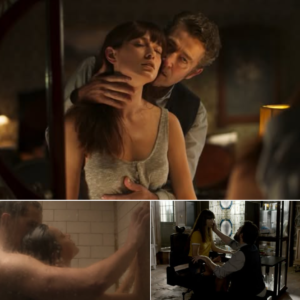
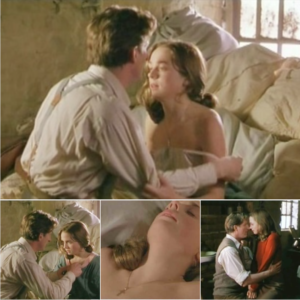
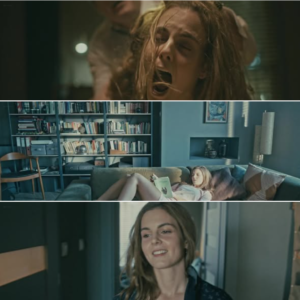
The Tale of Tiffany Lust (1981) is a provocative and unconventional film that reflects the era’s fascination with fantasy, desire, and personal liberation. Blending satire with erotic themes, the movie explores how hidden longings surface in unexpected and often unsettling ways.

The story follows Tiffany, a housewife whose carefully controlled life begins to unravel when she is introduced to a world where fantasies are openly discussed and performed. Through the influence of Betty, a call girl who acts as a guide rather than a temptress, Tiffany is pushed toward confronting desires she has long suppressed.

A central element of the film is the radio show hosted by Florence Nightingale, a theatrical and symbolic space where listeners’ wishes are transformed into public performances. This setting blurs the line between private fantasy and public spectacle, highlighting the vulnerability that comes with exposure.
As Tiffany’s journey continues, her perception of marriage and fidelity begins to shift. Discovering her husband’s own infidelity forces her to reassess her role as both observer and participant in a world driven by desire and illusion.