Uns Braços, released in 2009, is a Brazilian period drama inspired by literary themes of desire, memory, and emotional awakening. Set in Rio de Janeiro at the end of the 19th century, the film presents a quiet and introspective story shaped by social hierarchy and unspoken longing.

The narrative follows a young man living under the protection of his parents’ employer, immersed in an environment that both shelters and confines him. His fascination with the employer’s wife develops subtly, expressed through observation and imagination rather than direct action, reflecting the restrained moral codes of the era.

The film focuses on internal experience more than external events. Dreams, thoughts, and fleeting moments blur with reality, creating a reflective tone that emphasizes emotional tension and psychological curiosity. The woman, aware of the young man’s transition toward adulthood, becomes a mirror for his confusion and desire.
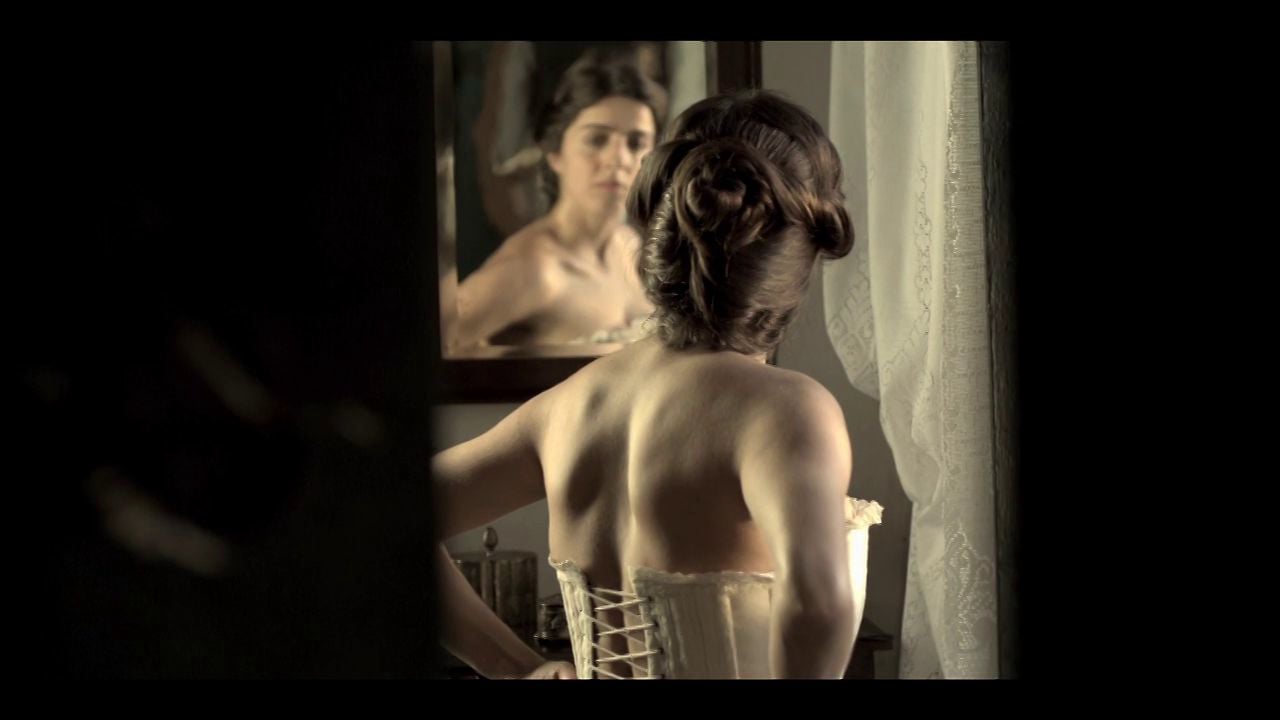
Uns Braços uses careful pacing and period detail to convey atmosphere. Costumes, interiors, and quiet gestures help situate the story in a time when feelings were often suppressed, yet deeply felt. The restrained storytelling allows the audience to engage with suggestion rather than explicit drama.