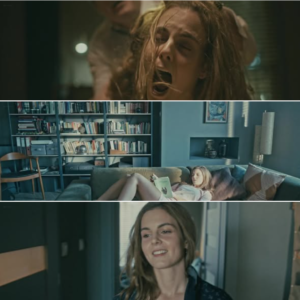
Madrid, 1987 (2011) is an intimate and thought-provoking chamber drama that builds its tension through dialogue, intellect, and emotional vulnerability. Set almost entirely within the confines of a single room, the film follows an aging journalist and his young former student as they become unexpectedly trapped together. This forced closeness becomes the catalyst for a layered and revealing exchange that touches on identity, ambition, and generational divides.

The story thrives on its simplicity. With only two characters and four walls, the film shifts its focus entirely to conversation, ideology, and the subtle power dynamics between teacher and pupil, man and woman. Their discussions move fluidly between politics, journalism, morality, and personal experience, creating a slow-burning exploration of how people see themselves and how they wish to be seen.

Madrid, 1987 stands out for its ability to maintain tension without action or spectacle. The confined setting magnifies every pause, disagreement, and moment of connection. As the characters confront their own fears and desires, the audience is invited to reflect on the boundaries between mentorship, admiration, and human curiosity.


The performances carry the film’s emotional weight, giving life to complex characters who are equally flawed and fascinating. Their evolving dynamic—shifting from confrontation to understanding—adds depth to the minimalist storytelling.