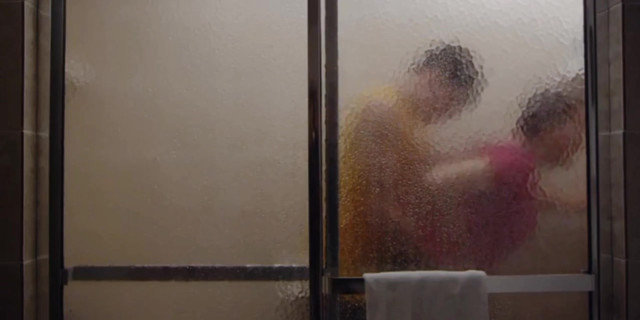
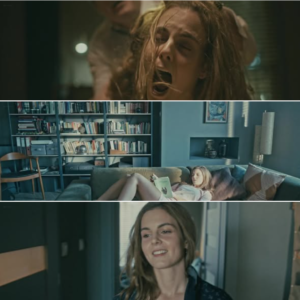
Sub Rosa (2014) enters the screen with the quiet intensity of a storm gathering behind closed doors. The short film follows Alan, a teenage boy caught in the tightening grip of a household ruled by pressure, resentment, and unspoken wounds. From the very first moments, the atmosphere feels dense, as if every room in the house is storing arguments that never had the chance to breathe.
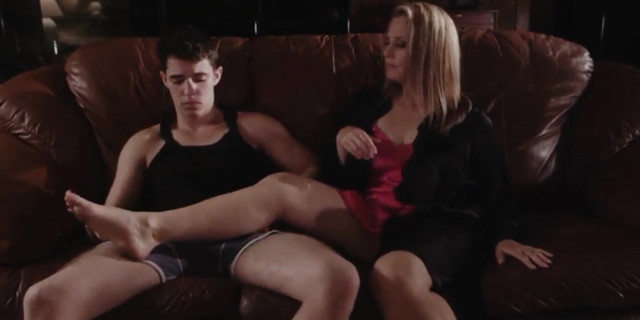
What makes the film compelling is its focus on emotional conflict rather than dramatic spectacle. Alan’s struggle with his father becomes the central thread, revealing how expectations can harden into cruelty when pushed too far. The film captures that uneasy space where adolescence meets the demand to grow up too quickly, leaving the audience to feel both the weight of Alan’s confusion and the edge of his anger.
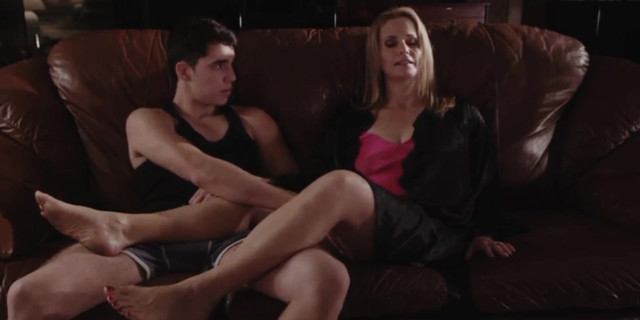
The dynamic between Alan and his stepmother adds another layer to the story. Their connection feels fragile, shaped by affection but surrounded by tension. This relationship is not about romance or desire; it serves as a lifeline for a boy who is desperate for kindness in a home that offers little. The film uses their bond to contrast the harshness of his father, creating emotional depth without exaggeration.
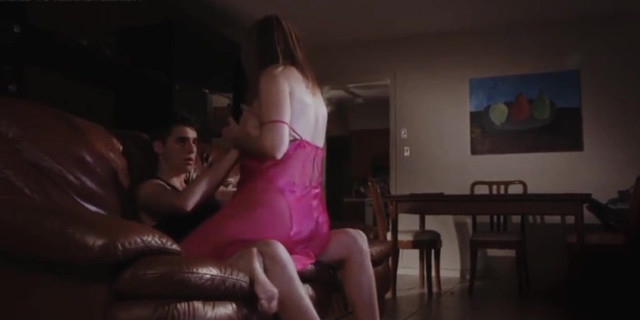
At the heart of Sub Rosa lies a dark family secret that hangs over every scene like a muted threat. The possibility of death intensifies the narrative, forcing Alan into a position no teenager should face: choosing a side in a conflict that was never his to begin with. The film handles this weighty theme with surprising restraint, allowing the emotional truth to surface naturally.