Among the Cinders (1983) unfolds like a quiet echo in the wilderness, following teen Nick as he flees from guilt, grief, and the fractures within his family. The film introduces his emotional burden early, rooted in the tragic climbing death of his Māori friend — a loss he shoulders heavily, shaping every step he takes afterward.

Nick’s journey truly begins when he seeks refuge with his plain-spoken grandfather, a man carved from the old landscapes of experience. Their escape into the bush becomes more than a physical retreat. It’s a raw, earthy passage into healing, stitched together by long walks, unguarded conversations, and the kind of silence that lets the heart breathe again.

The film also brushes against the turbulence of adolescence, including Nick’s intimate encounter with Sally. Rather than sensationalizing it, the story presents this awakening as another layer of his transformation — a moment where innocence cracks, making space for a new sense of self.

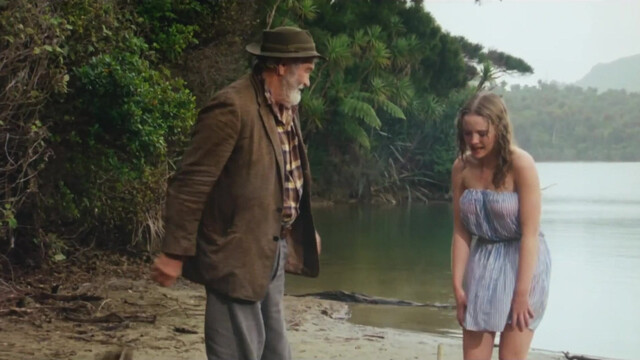
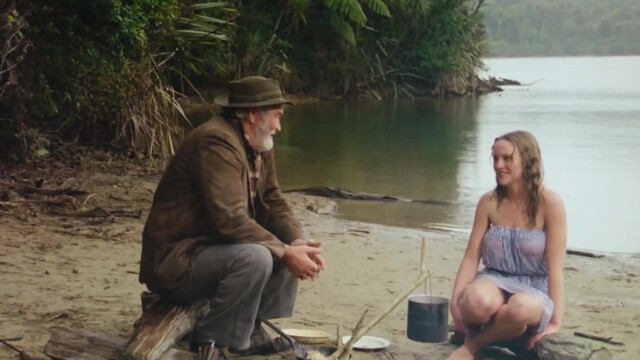
Among the Cinders thrives on its introspective rhythm and the rugged beauty of New Zealand’s wilderness. The scenery feels like a second narrator, carrying the weight of memory, culture, and identity. For viewers who appreciate coming-of-age stories wrapped in natural atmosphere, this film delivers a journey that is quiet yet deeply resonant.