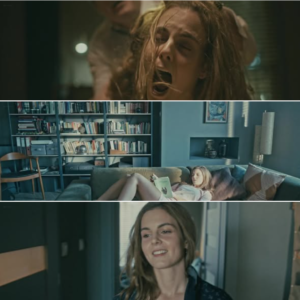
Merlí. Sapere Aude (2019) steps into the restless world of young adulthood, where curiosity becomes both a compass and a wildfire. The series follows Pol Rubio as he enters university, carrying the echoes of his late mentor Merlí and trying to carve a life shaped by courage, desire, and the search for meaning. Each episode unfolds like a lesson that refuses to stay confined within classroom walls.
Pol’s journey is powered by philosophy, but the show treats the subject not as an academic exercise but as an emotional engine. Concepts from Socrates, Nietzsche, and other thinkers blend into his daily struggles—moments of attraction, ambition, confusion, and self-discovery. The ideas don’t float above the narrative; they pulse through it, guiding Pol as he confronts choices that shape who he is becoming.
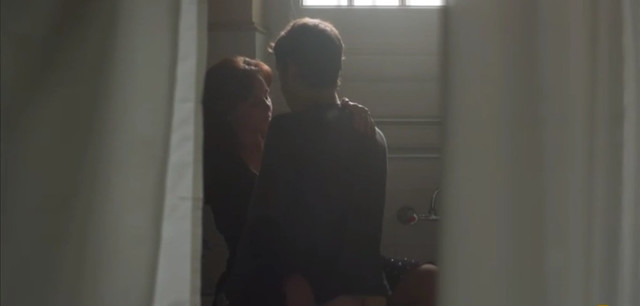
What makes Merlí. Sapere Aude compelling is its fearless honesty. It explores identity and desire with a natural rhythm, weaving personal growth into friendships, romances, and the pressures of adulthood. The series doesn’t shy away from vulnerability; instead, it lets characters stumble, question, and rise again, reflecting the real turbulence of finding one’s truth.

Visually, the show embraces youthful energy without losing emotional depth. University hallways, Barcelona streets, and intimate corners of student life create a setting that feels alive, buzzing with potential. Each scene carries a sense of momentum, as if every conversation might spark a revelation.
Performances strengthen the series’ emotional core. Pol emerges as a character who feels fully human—flawed, impulsive, but always driven by a hunger to understand himself and the world around him. His relationships add warmth and complexity, shaping the show into a portrait of growth that feels honest and relatable.