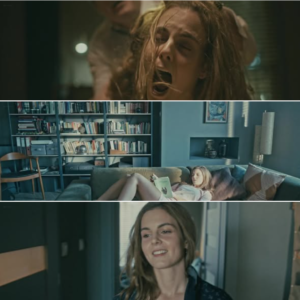
The Nightingale (2018) tells a story carved out of pain, survival, and the fierce hunger for justice. Set in the harsh Tasmanian wilderness of the 1820s, the film follows a young Irish convict who pursues the British officer responsible for a brutal act that shatters her world. What begins as a chase soon becomes a journey through a landscape scarred by colonial violence.
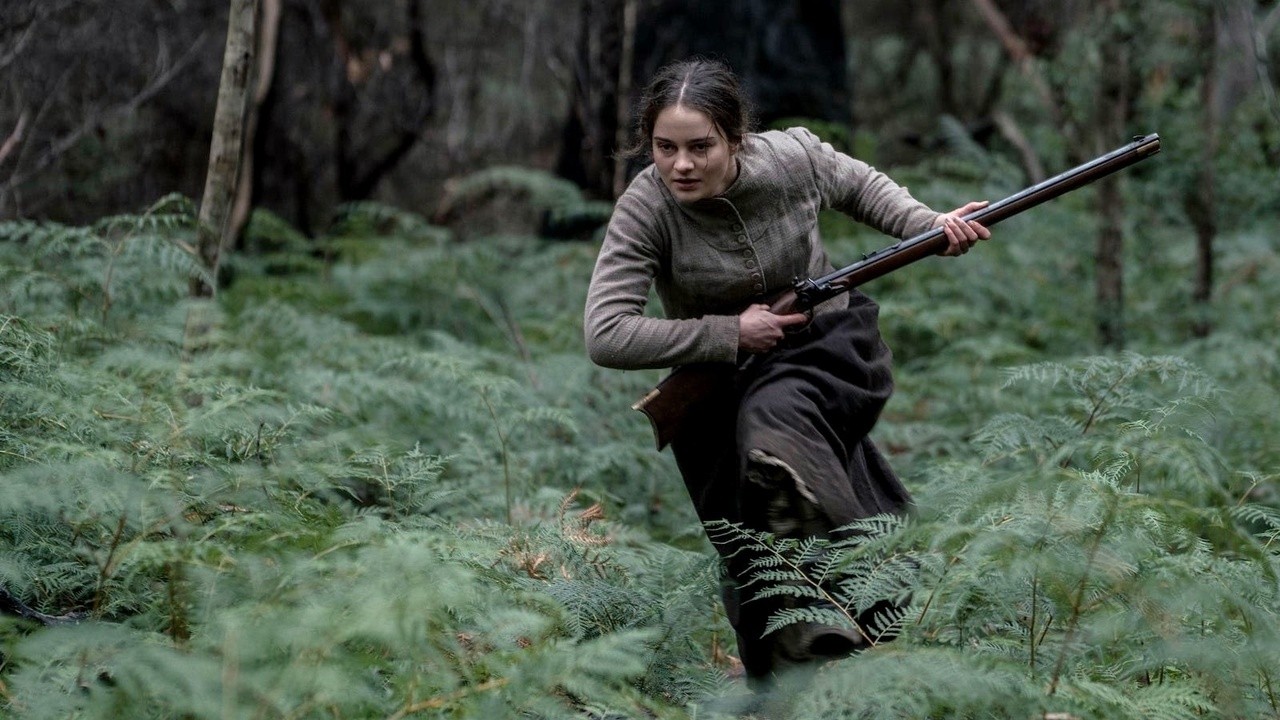
The film unfolds with unflinching honesty, never softening the cruelty of its setting. Each moment feels raw, as if the air itself carries the weight of grief and unresolved rage. The wilderness becomes more than a backdrop; it reflects the characters’ fractured spirits, full of danger, silence, and unseen wounds.

Performances drive the story with heartbreaking precision. The young woman’s determination is portrayed with a quiet fire, her every step fueled by loss but anchored by an unexpected partnership with an Aboriginal guide who carries his own history of suffering. Their evolving connection becomes the fragile thread holding humanity together inside a world built on brutality.
The Nightingale confronts themes of vengeance, trauma, and the lingering shadow of colonization. It does not offer easy answers. Instead, it explores how violence echoes across lives, and how the pursuit of retribution can shape or unravel a person’s soul. The film’s intensity lingers long after it ends, like a distant call in the night that refuses to fade.