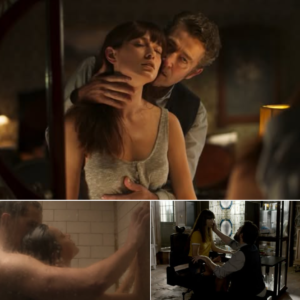
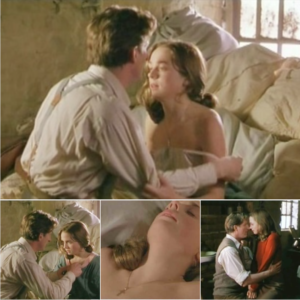
Arabella: Black Angel (1989) is an erotic psychological thriller that blends obsession, creativity, and moral decay into a disturbing yet intriguing narrative. The film reflects late 1980s European cinema, where eroticism is often used as a tool to explore power, identity, and control.

Arabella is portrayed as a woman driven by uncontrollable desire, living without emotional boundaries or restraint. Her behavior unsettles those around her, especially her husband, a struggling writer who observes her more as a subject than a partner. When he unexpectedly witnesses her with another man, the situation takes a shocking turn that permanently alters their relationship.

The sudden act of violence becomes the catalyst for the story’s descent into psychological darkness. Instead of fear or guilt, the husband reacts with disturbing calm, choosing to hide the crime and transform the experience into artistic fuel. From this point forward, intimacy, manipulation, and authorship become dangerously intertwined.

As the husband begins encouraging Arabella’s encounters, the film raises unsettling questions about exploitation, consent, and the ethics of turning real experiences into fiction. Desire is no longer private but observed, recorded, and reshaped for creative ambition.