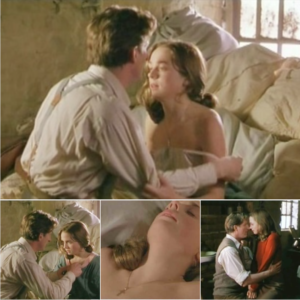
The Women of Quiet Country (1980) is an Italian period drama that blends psychological tension with emotional discovery, set against the restrained atmosphere of rural life in the 1930s. The film presents a slow, introspective narrative shaped by repression, family authority, and awakening desire.

The story centers on Alberto, a young man living on a secluded country estate under the strict control of his authoritarian father. The oppressive environment and rigid expectations gradually push him toward emotional and physical illness, reflecting the suffocating power structures of both family and era.
Relief arrives with the visit of his cousin Gloria, whose presence introduces warmth, curiosity, and emotional intimacy into Alberto’s isolated world. Their connection becomes a quiet refuge from fear and control, allowing Alberto to experience comfort and self-awareness for the first time.

Rather than relying on dramatic action, the film focuses on mood and character psychology. The countryside setting, restrained pacing, and subtle performances reinforce themes of repression, longing, and the fragile process of personal awakening.