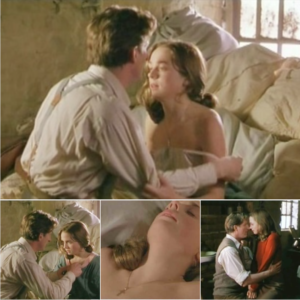
La figliastra, released in 1976, is an Italian drama that reflects the provocative and morally complex cinema of its time. The film centers on a middle-aged widower whose life is shaped by loss, frustration, and unfulfilled expectations after his wife dies without giving him an heir.

The story gains tension as the widower faces the possibility of losing a substantial inheritance. This looming threat exposes his insecurity and desperation, pushing him into emotionally conflicted decisions driven by fear of failure and social judgment rather than genuine connection.
Set within a restrained domestic environment, the film explores themes of loneliness, desire, and entitlement. Personal relationships are portrayed as transactional and uneasy, revealing how grief and obsession with legacy can distort moral boundaries.
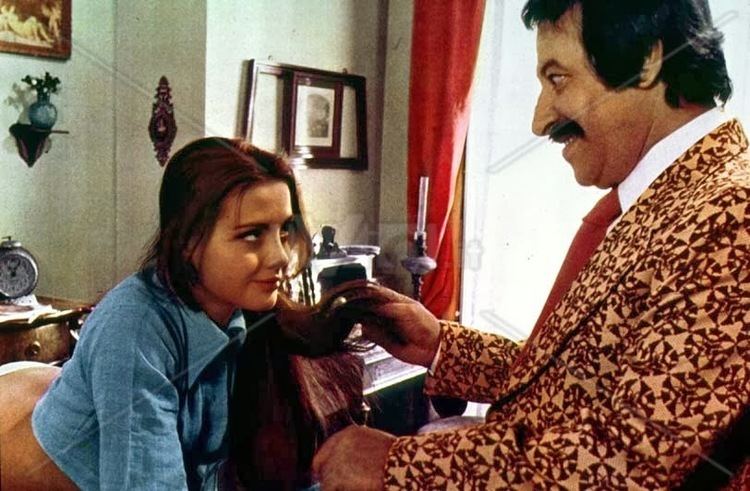
La figliastra relies more on atmosphere and character psychology than overt plot development. Its slow pacing and intimate focus reflect a period of Italian filmmaking that often challenged social norms and audience comfort.