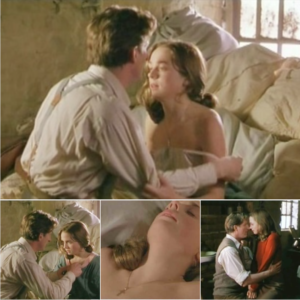
The Chambermaid on the Titanic (1997) is a poetic romantic drama that explores memory, illusion, and the emotional cost of storytelling. Set against the haunting backdrop of the Titanic tragedy, the film offers a reflective and intimate cinematic experience rather than a traditional disaster narrative.

The story centers on a modest foundry worker whose quiet life changes after a brief encounter with a chambermaid aboard the RMS Titanic. After the ship’s tragic sinking, he invents a love story between them, transforming personal fantasy into public fascination.

As his fabricated tale spreads, the film gently examines how grief, desire, and loneliness can blur the line between truth and imagination. The protagonist’s lie is not driven by malice, but by a deep need for connection and meaning in an otherwise ordinary existence.

Visually restrained and emotionally subtle, the film relies on atmosphere and performance rather than spectacle. Its slow pacing allows viewers to absorb the emotional weight of loss while questioning the morality of romanticized deception.