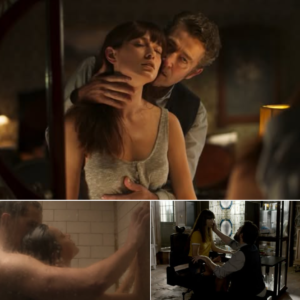
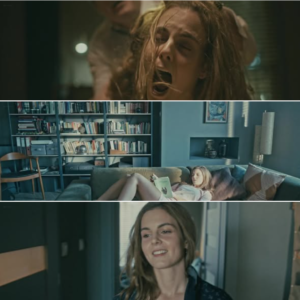
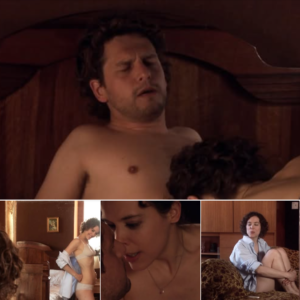
The Worst Person in the World (2021) is a beautifully honest portrait of modern adulthood, capturing the confusion, excitement, and emotional turbulence that define life in your late twenties. The film follows Julie, a young woman who moves restlessly through studies, jobs, and relationships in search of an identity that feels true to her. Structured across twelve chapters—with a prologue and epilogue—the story unfolds like a diary of self-discovery.
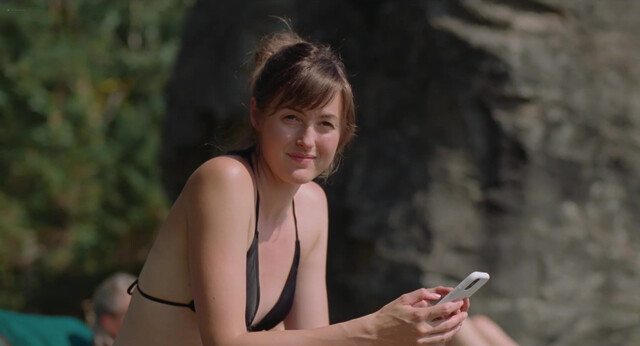
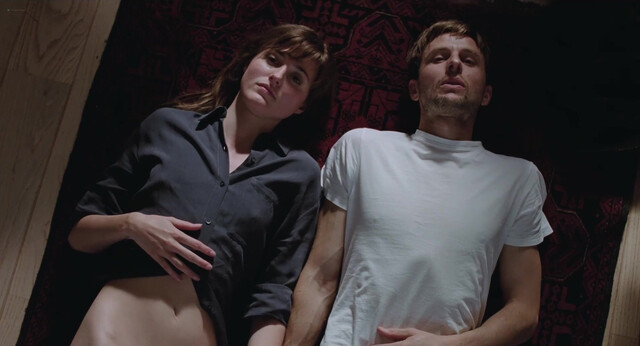
Julie’s relationships shape much of her journey. With Aksel, an established graphic novelist, she finds stability and intellectual depth, but also expectations she isn’t sure she can meet. With Eivind, a gentler and more spontaneous presence, she rediscovers freedom, playfulness, and emotional ease. These contrasting connections highlight Julie’s inner conflict: the tension between who she is, who she wants to be, and who others imagine she could become.
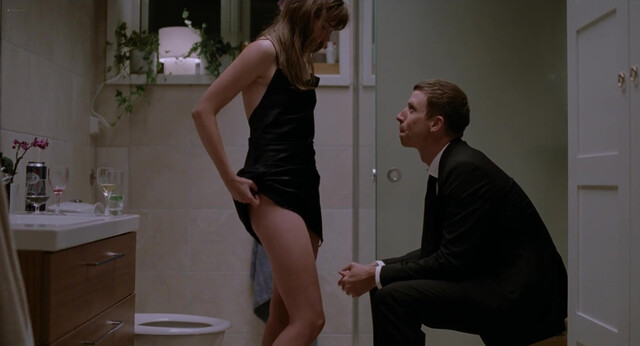
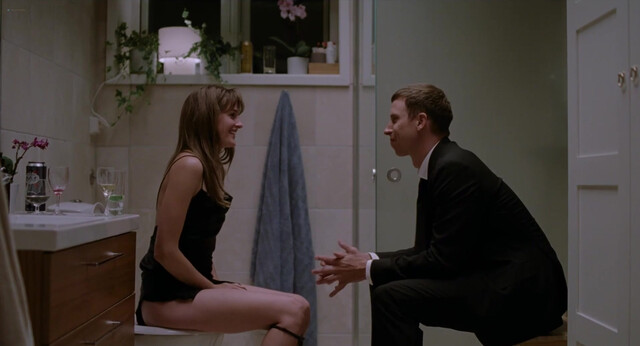
The film stands out for its naturalistic storytelling and raw emotional honesty. Everyday moments—breakups, career doubts, fleeting joys—are portrayed with nuance and authenticity. The screenplay embraces the uncertainty of adulthood, showing that drifting doesn’t always mean being lost; sometimes it’s part of becoming.