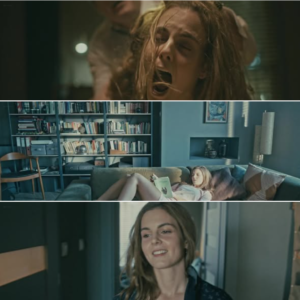
The Curse (2023) unfolds like a slow-burning echo through the desert air, following Whitney and Asher Siegel as they attempt to plant their dream of eco-friendly housing in the small community of Española, New Mexico. Their idealism glows with good intentions, yet it flickers under the weight of cultural tension, community skepticism, and their own unsteady marriage.

Their quiet project takes an unexpected turn when Dougie, a reality TV producer with a flair for chaos, swoops in to shape their story into something more dramatic than they ever intended. His presence hangs over the couple like a shifting shadow, blurring the line between documentation and manipulation. What begins as a well-meaning mission soon feels like a maze of staged moments and half-truths.
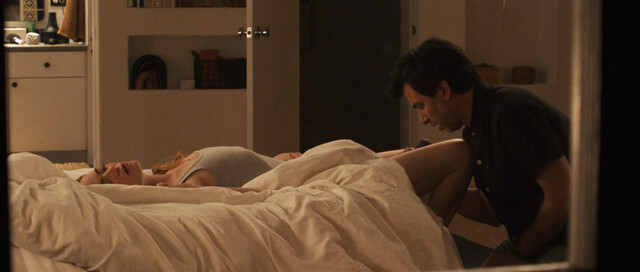
The series thrives in the uneasy spaces where ethics twist into something harder to name. Whitney and Asher find themselves drifting into moral fog, making choices that feel helpful on the surface but leave strange aftertastes. Their relationship becomes a pressure chamber, where small cracks reverberate louder each day under the gaze of the camera.


The tone of The Curse is deliberately disorienting, balancing dark humor with an undercurrent of uncanny tension. The world feels both familiar and subtly off-kilter, as if the ground is never fully stable beneath the characters’ feet. This atmosphere pulls viewers deeper, inviting them to question not just the Siegels’ motives, but their own assumptions about authenticity, charity, and image.