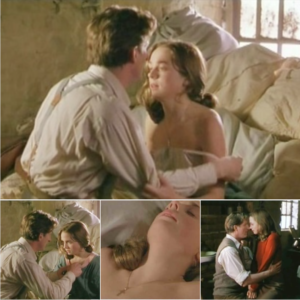
Departures (2008) opens with Daigo, a dedicated cellist whose life changes direction the moment his orchestra dissolves. After investing in an expensive instrument and nurturing years of discipline, he suddenly finds himself without purpose. The film lets this moment linger, like a note hanging in the air, guiding Daigo back to his hometown where new paths quietly wait for him.
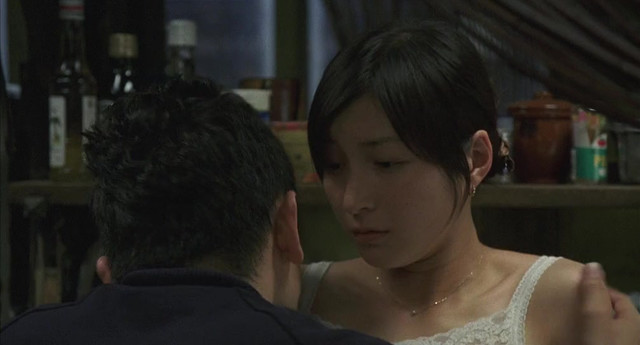
Answering a vague job advertisement, Daigo believes he is stepping into a travel agency. Instead, he is confronted with a profession he never imagined: preparing the dead for their final journey. This revelation shapes the heart of the film, turning his confusion into a gradual exploration of dignity, ritual, and the hidden artistry within an unusual craft.
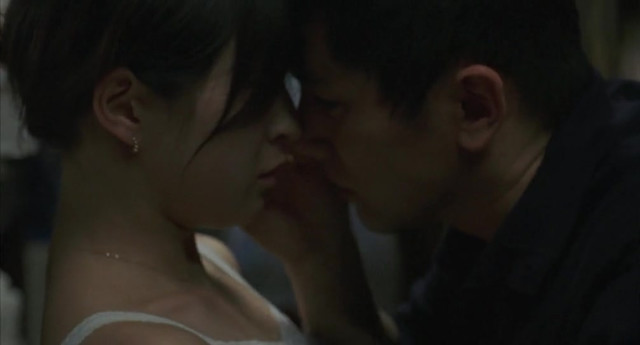
Departures weaves its story with gentle, contemplative energy. Every scene feels touched by a soft current of reflection, allowing viewers to settle into the emotional depth of Daigo’s transformation. His relationship with his wife, layered with unspoken fears and loyalty, becomes another thread pulling him toward acceptance and growth.
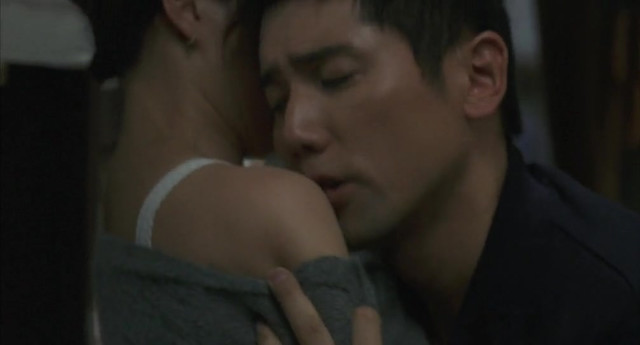
The film’s quiet charm lies in its ability to honor life by honoring death. It brings forward the beauty in small gestures, the silence between family members, and the fragile connections that shape who we become. Through the mortuary work, Daigo discovers meaning he never found onstage, as if life had been tuning him for a different performance all along.