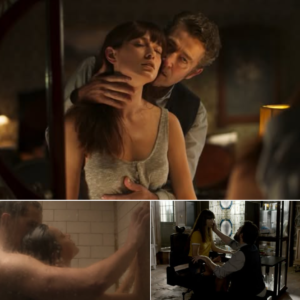
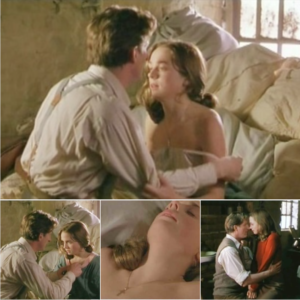
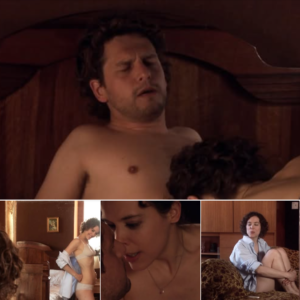
Lady Chatterley is a quietly arresting French adaptation that reimagines D.H. Lawrence’s lesser-known second version of his infamous tale. Rather than chasing shock value, this 2006 film leans into the emotional and sensory layers of the story, inviting viewers into a world where silence, nature, and unspoken longing carry as much weight as dialogue.

The film centers on Constance Chatterley, a woman confined by her marriage and the rigid expectations of her upper-class life. Her world feels muted, wrapped in a kind of pale stillness that mirrors her own internal drought. When she meets the estate’s gamekeeper, their connection forms slowly, almost like a seed waking under warm soil. The narrative grows from this quiet spark, guided more by emotion than plot mechanics.

One of the film’s strongest elements is its devotion to natural landscapes. Forests, fields, storms, and seasons shape the rhythm of the story. The camera lingers on leaves, skin, breath, and open spaces, creating an atmosphere where the characters seem to rediscover the world at the same time they are rediscovering themselves. It’s a film that breathes in long, patient exhalations.

Performances are grounded and unforced, allowing the relationship between Lady Chatterley and the gamekeeper to evolve with a tender, hesitant realism. Their encounters feel like moments of awakening, not simply romantic but deeply human — two people stepping outside the boundaries that society has drawn for them and learning to inhabit their own truths.