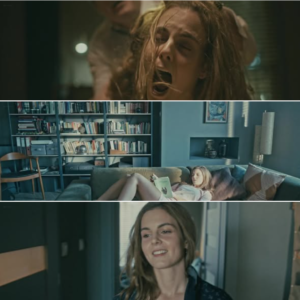
The Other End is a provocative drama that explores a complicated relationship built on longing, loneliness, and emotional imbalance. The film follows a 43-year-old divorcee who enters a relationship with a 17-year-old boy, setting off a wave of conflict once his parents discover the connection. Rather than framing the story as a simple romance, the film leans into the turbulence that comes from blurred boundaries and decisions made in moments of vulnerability.
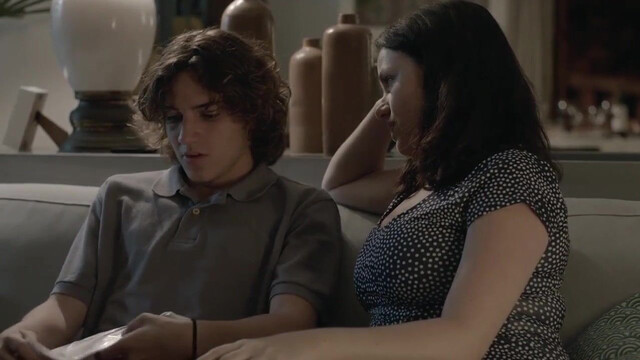
At its core, The Other End examines human fragility. The adult protagonist carries the weight of past heartbreak, clinging to a sense of renewal she believes the young boy provides. Meanwhile, the teenager is still shaping his identity, drawn toward a relationship he cannot fully navigate. Their dynamic feels intentionally unstable, like two people trying to steer a boat through tides they never learned to read.
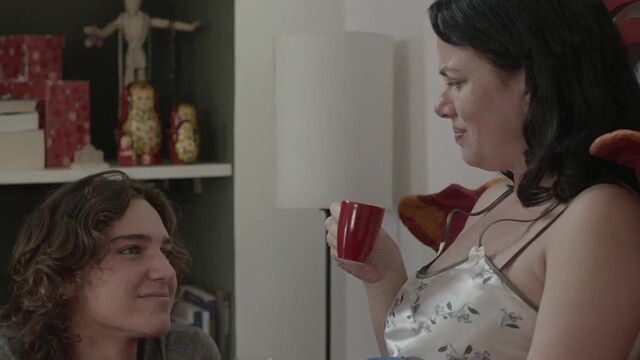
The tension intensifies when the boy’s parents intervene, highlighting the real-world implications of such a relationship. Their disapproval becomes the point where fantasy collides with reality, exposing the imbalance and emotional consequences that surround the situation. The film uses this conflict not for sensationalism, but to reflect on how choices can echo far beyond the initial thrill of connection.
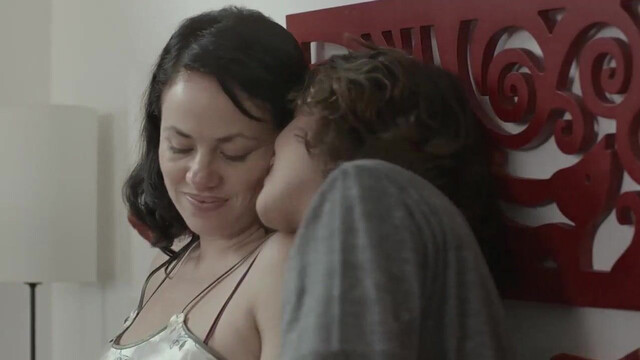
Visually, The Other End leans into a soft, grounded atmosphere. Scenes unfold with a quiet, almost fragile tone, as if the film itself is aware of walking across thin emotional ice. The pacing gives viewers time to sit with the discomfort, the tenderness, and the deep uncertainty that shapes every decision the characters make.