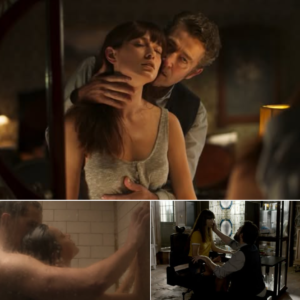
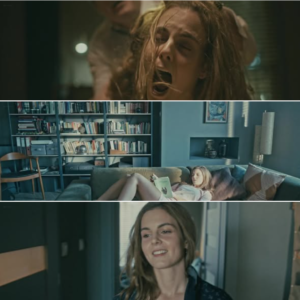
Amor Bandido (2021) unfolds like a whirlwind that pulls a young, impressionable heart into a world far darker than he ever imagined. Joan, just sixteen and guided more by longing than experience, becomes enchanted by Luciana — an older woman whose charm carries shadows he cannot yet see. What begins as an impulsive escape quickly shifts into a tightening maze of manipulation.
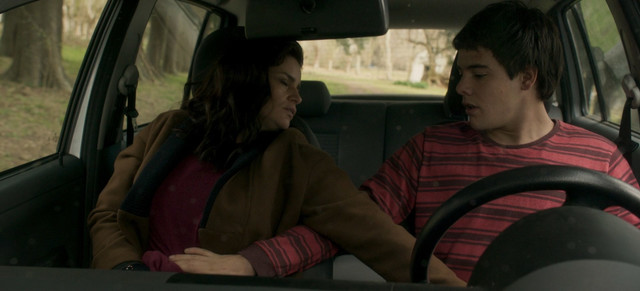
The film paints Joan’s journey with a sense of growing danger, revealing how innocence can be exploited when desire, trust, and authority blend in the wrong hands. As the story deepens, Joan’s romantic fantasy fractures, exposing a web of deceit tangled with money, political interests, and violent undertones. Each revelation feels like a cold gust through a cracked window, reminding viewers how power imbalances can distort affection into something far more sinister.
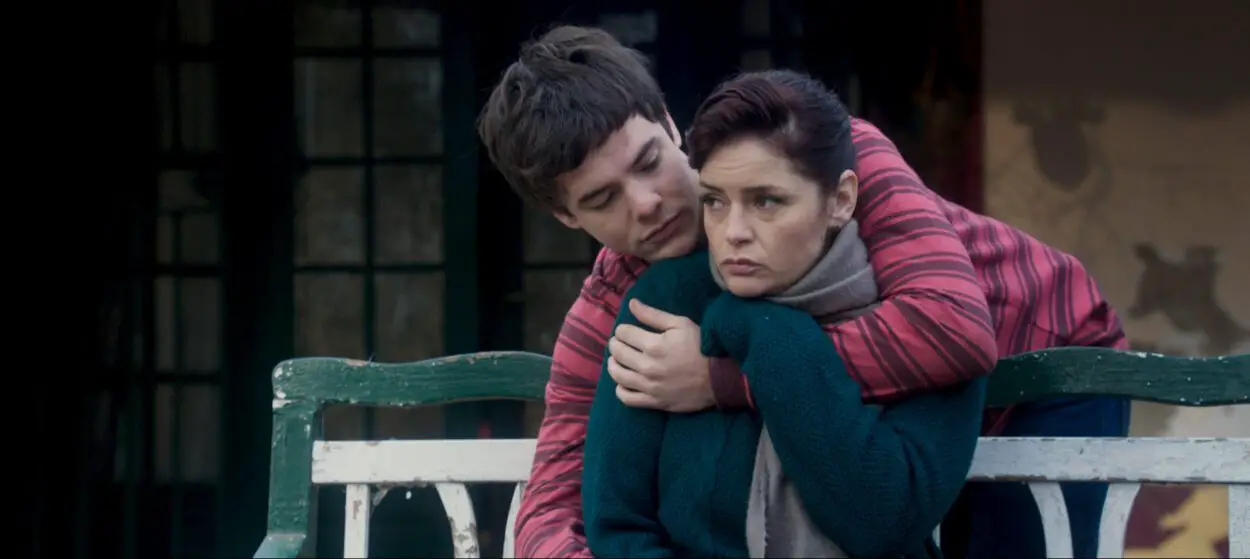
What stands out is the film’s ability to maintain tension without relying on spectacle. It chooses a psychological path, allowing viewers to witness Joan’s realization as the trap around him becomes visible piece by piece. His shift from infatuation to fear forms the emotional backbone of the film, making his experience both unsettling and empathetic.
Visually, Amor Bandido leans into a gritty, atmospheric style that mirrors Joan’s descent into a world he never intended to enter. The performances carry an undercurrent of volatility, especially as Luciana’s motives slip from ambiguous to ominous, sharpening the story’s sense of threat.
As a drama-thriller, the film explores themes of vulnerability, manipulation, and the danger of misplaced trust. It pushes audiences to reflect on how easily a young person can be pulled into someone else’s schemes when emotional clarity hasn’t yet hardened into maturity.