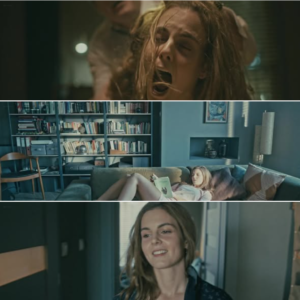
The Longest Night (2019) is a film that drifts like a storm cloud over the life of Dana, a woman pushed into the shadows by circumstance and survival. The story traces her daily struggle as she works to support her ill daughter while wrestling with her own addiction, creating a portrait that feels raw yet quietly resilient.
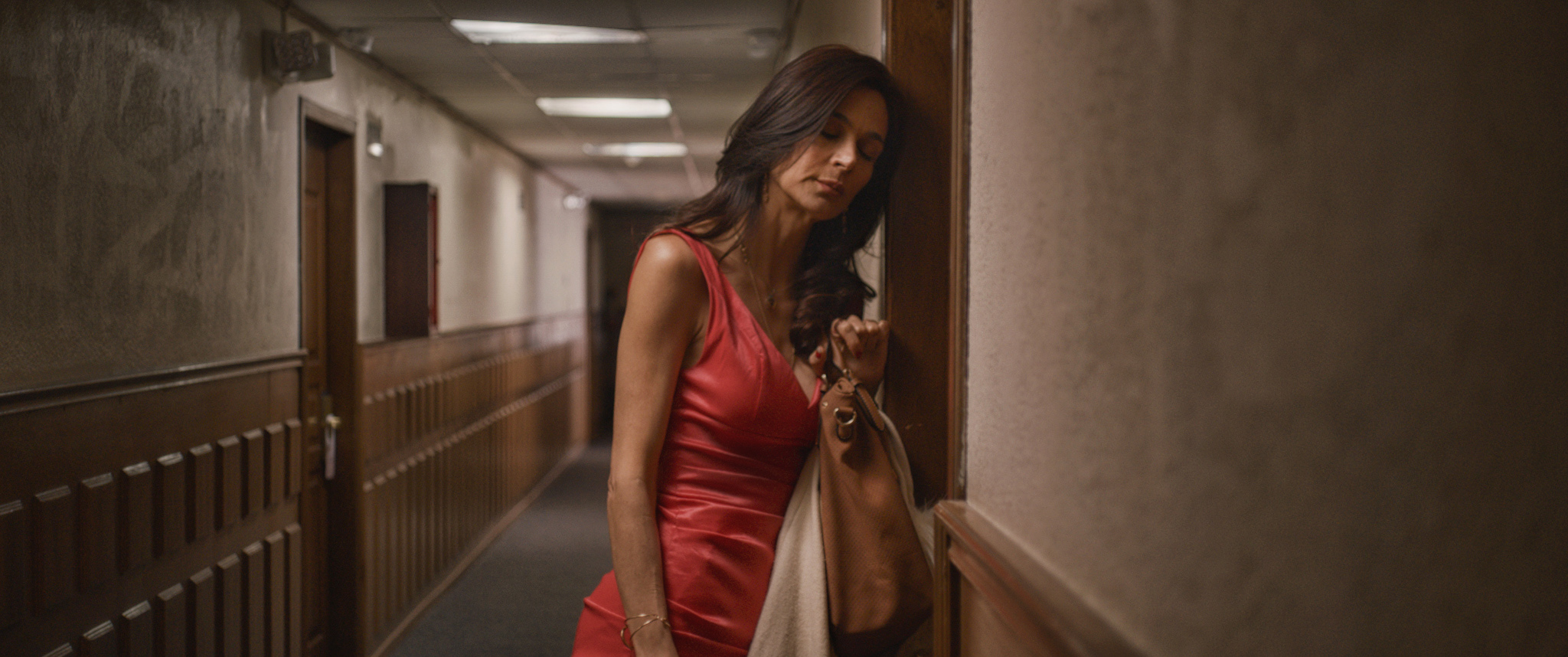
The movie anchors itself in the harsh mechanics of exploitation. Dana is trapped under Nelson, a trafficker who drains every dollar she earns. This cycle of control gives the film its tension, pressing on the viewer like a tightening grip. Each scene seems to echo the question of how far a person can bend before they finally break toward freedom.

Despite the darkness, the narrative keeps a flicker of hope. When Dana sees a chance to escape and reclaim her agency, the film shifts from desperation to a fierce kind of determination. Her journey becomes more than survival; it becomes a fight for dignity and justice, carried by Noëlle Schönwald’s steady, haunting performance.

The Longest Night uses its gritty realism to spotlight the cost of exploitation and the quiet courage of those seeking a way out. It’s a film that lingers after the credits fade, urging viewers to reflect on the unseen battles unfolding in the margins of society.