Gemma Bovery (2014) blends literary nostalgia with modern charm, creating a story that dances between imagination and reality. The film follows Martin, a former Parisian hipster turned village baker, whose passion for Gustave Flaubert becomes the lens through which he views the world. When an English couple named Gemma and Charles Bovery move into the house next door, Martin feels as if fate has delivered a living echo of Madame Bovary directly into his quiet Norman life.
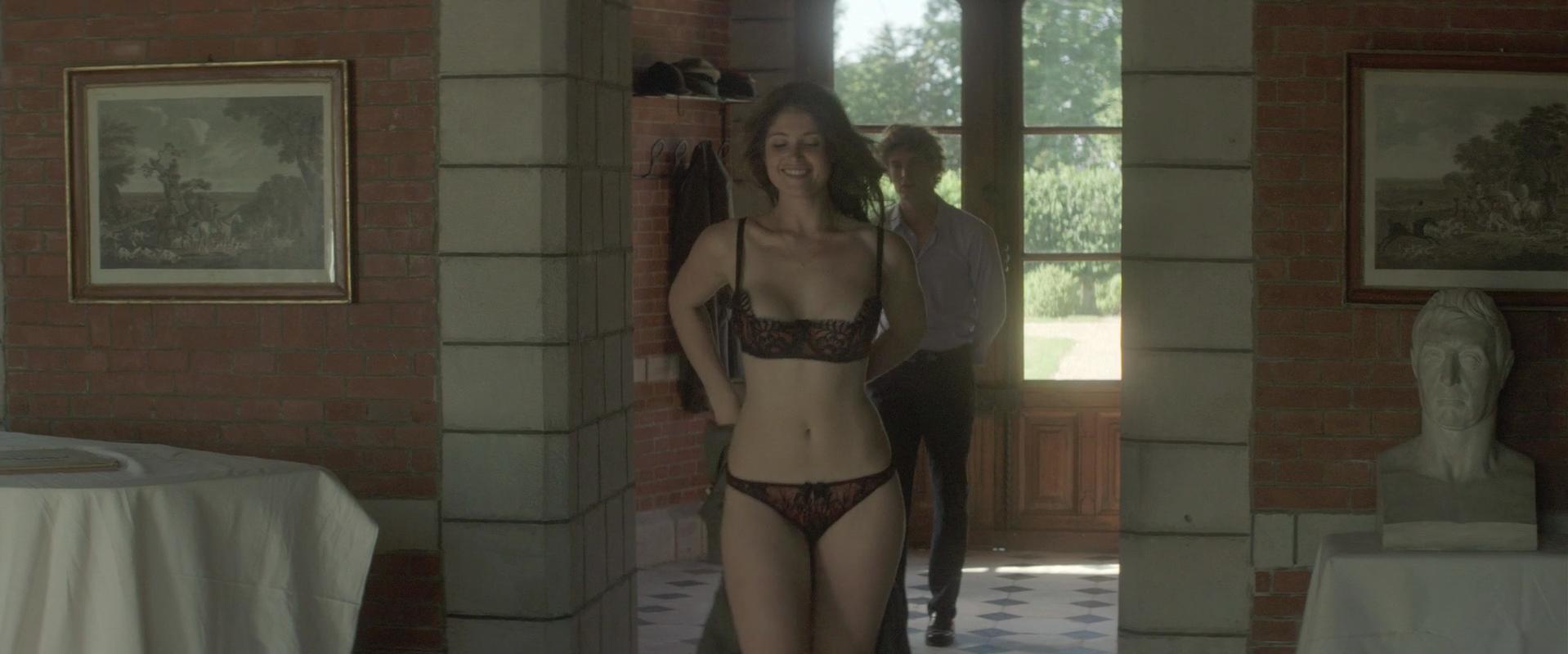
What follows is a playful yet thoughtful exploration of obsession. Martin becomes convinced that Gemma is unconsciously retracing the doomed steps of Flaubert’s iconic heroine. His fascination slips into a gentle voyeurism, turning everyday moments—her smile, her choices, her desires—into signs of an impending literary tragedy. The film allows viewers to experience Martin’s imagination as a kind of soft whirlpool, pulling him deeper with each passing day.
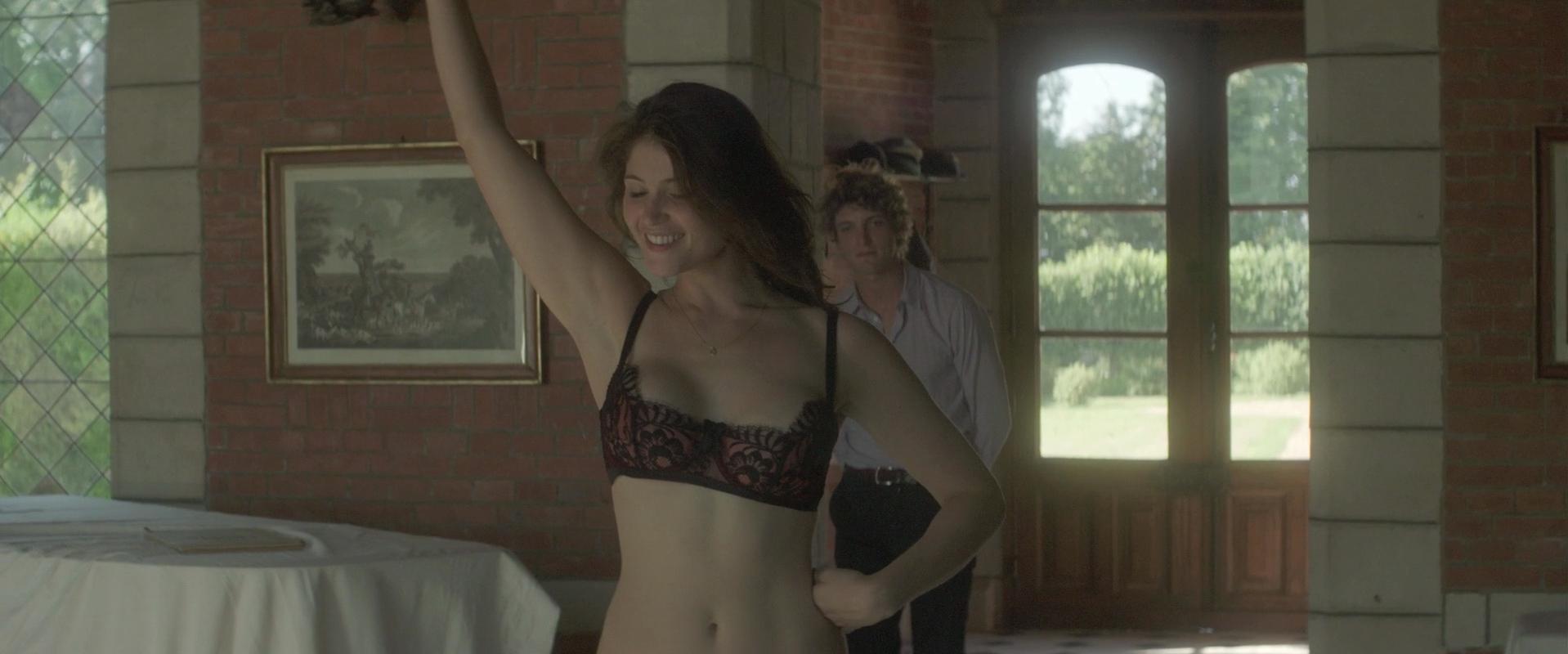
Gemma, meanwhile, is portrayed with a luminous, free-spirited presence that shifts between innocence and complexity. She is not Emma Bovary reborn, but the lingering aroma of Flaubert’s influence settles around her, blurring the lines between who she is and who Martin wants her to be. This tension becomes the film’s emotional heartbeat, hinting at the dangers of projecting stories onto real people.
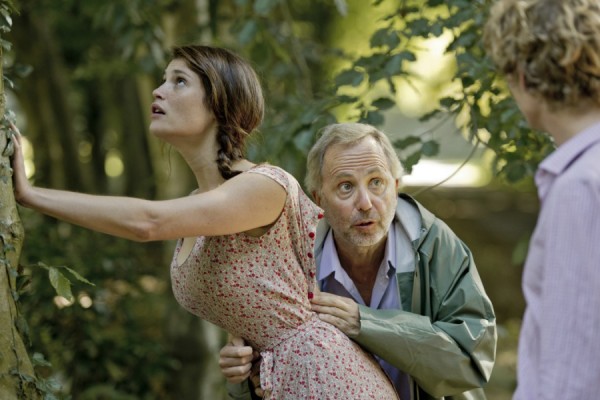
Visually, the film is a feast of countryside warmth. Sun-washed fields, rustic kitchens, and the slow rhythms of village life create an atmosphere that feels almost dreamlike. The cinematography captures the region with a painter’s eye, giving small gestures and quiet corners a sense of poetic significance.
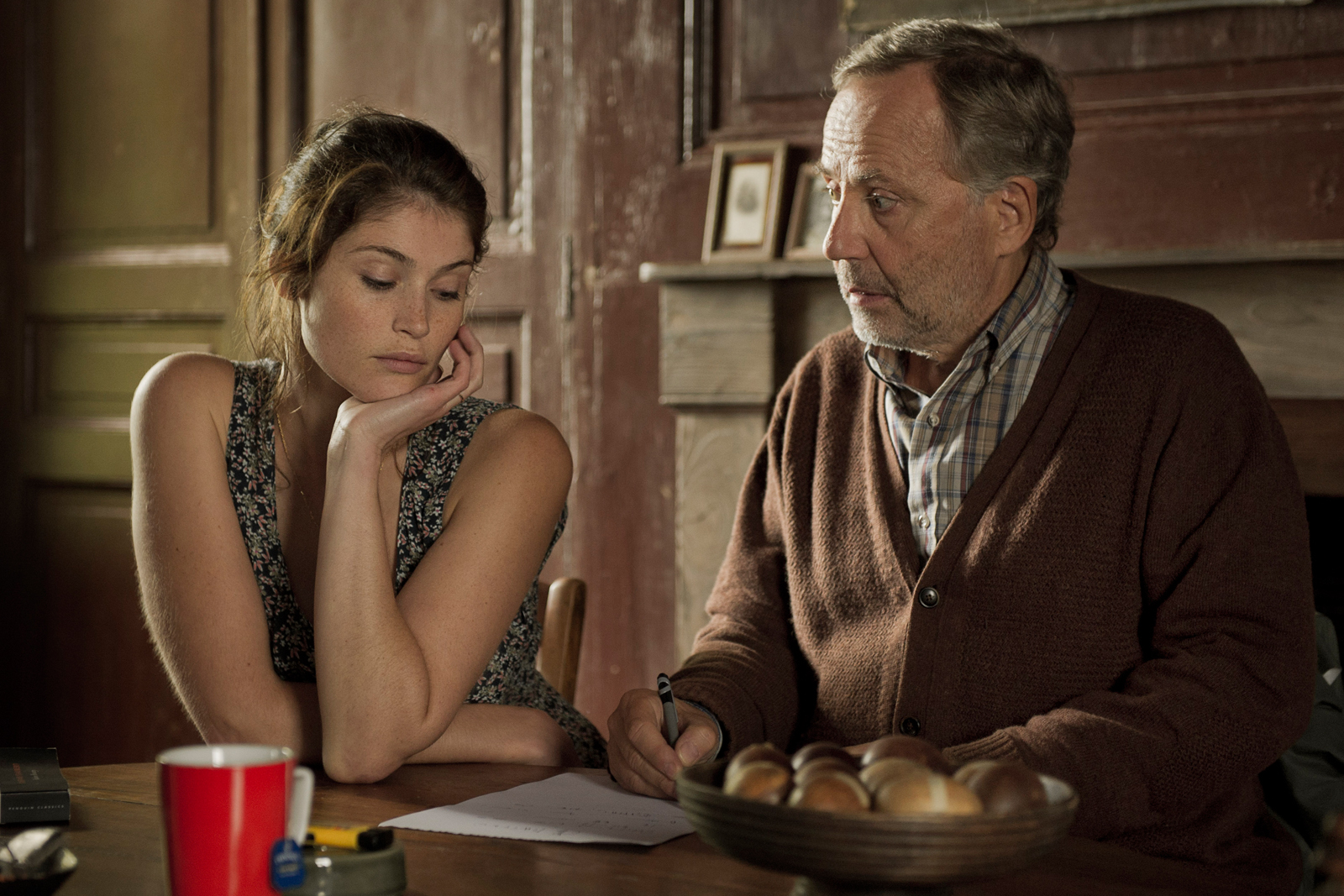
Performances bring the film’s charm to life. Fabrice Luchini’s portrayal of Martin mixes humor with longing, creating a character who is both endearing and flawed. Gemma Arterton gives Gemma a magnetic softness, making her radiant without turning her into a caricature of temptation or tragedy.