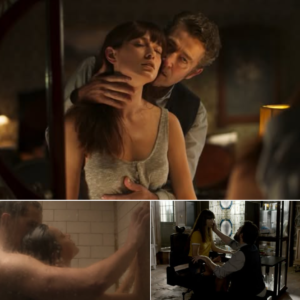
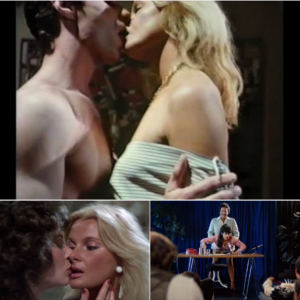
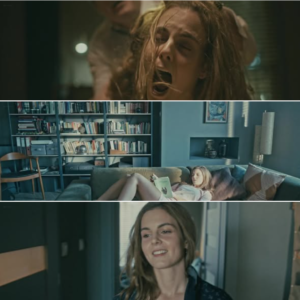
Simple Passion (2020) unfolds like a diary left open on the table, revealing a woman’s quiet plunge into desire. The film follows a mother who becomes consumed by an affair with a Russian diplomat, a man who shares neither her world nor her rhythm. Their connection is built on impulse rather than compatibility, giving the story an emotional tension that feels both intimate and disorienting.
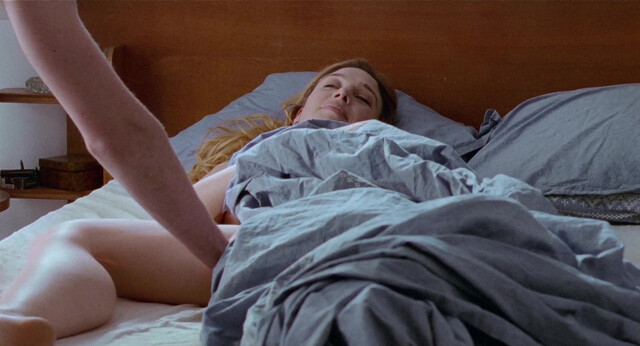
What makes Simple Passion compelling is its dedication to raw honesty. The film doesn’t decorate the affair with excuses or morality; instead, it shows how obsession grows in the small spaces of daily life. The protagonist’s world shrinks around her longing, and the film captures that narrowing with delicate precision. Her days start to feel like an echo chamber, filled with anticipation, distraction, and the ache of waiting.
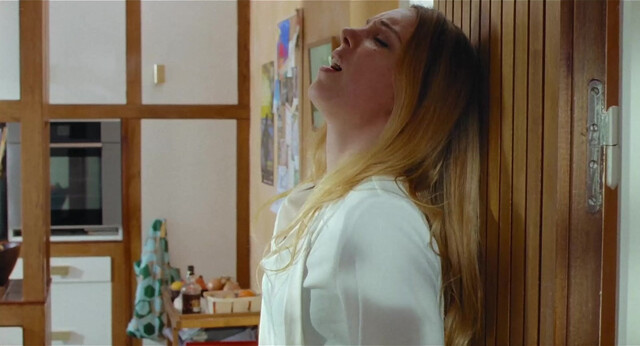
The cinematography leans into quiet frames and gentle movement, creating an atmosphere that feels like a long exhale. Each shot lingers just enough to let viewers sense the emotional temperature rising. The use of natural light and minimal dialogue deepens the sense of vulnerability, as if the camera itself is witnessing a secret someone isn’t ready to admit out loud.

Performances play a major role in the film’s impact. The lead actress delivers her emotional unraveling with subtlety, letting desire flicker through her expressions, her silences, and the way she drifts through everyday routines. Her relationship with the diplomat is less about connection and more about escape, turning their encounters into moments that feel suspended outside real life.
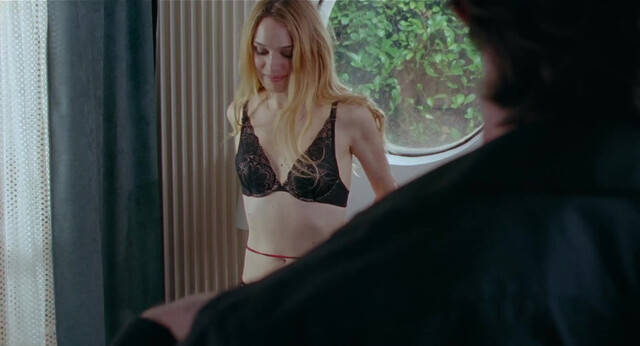
As a character-driven drama, Simple Passion offers a study of longing that is unfiltered and deeply human. Instead of sensationalizing the affair, the film examines the psychology behind it—the hunger for intensity, the pull of the forbidden, and the loneliness that hides beneath polished surfaces.